3D printing services in Sheffield

From file to
finished part.

Prototypes and small batches, printed in-house with specialist file review, proper finishing and an engineer’s check before dispatch.

Made in Sheffield

Professional file inspectionPrintability fixes with your approvalClear quotes and B2B invoicing24/7 print monitoringPost-processing includedAssembly availableEngineer quality checkTracked UK delivery

How it works

Simple in.
Quality out.

Upload your model and tell us what the part needs to do. We’ll handle the checks, production and finish.

  1. 01

    Upload your 3D file

    Send STEP, STL or 3MF files, together with any notes or reference images.

  2. 02

    Choose your options

    Tell us the process, material, quantity, finish and lead time you need.

  3. 03

    Review, quote and approve

    A specialist checks printability, then sends a clear quote and invoice. Printing begins once you approve the job and payment is received.

  4. 04

    Print and finish

    Your parts are monitored throughout the build, then cleaned and post-processed.

  5. 05

    Inspect and dispatch

    An engineer checks every order before tracked UK delivery.

Start your quote
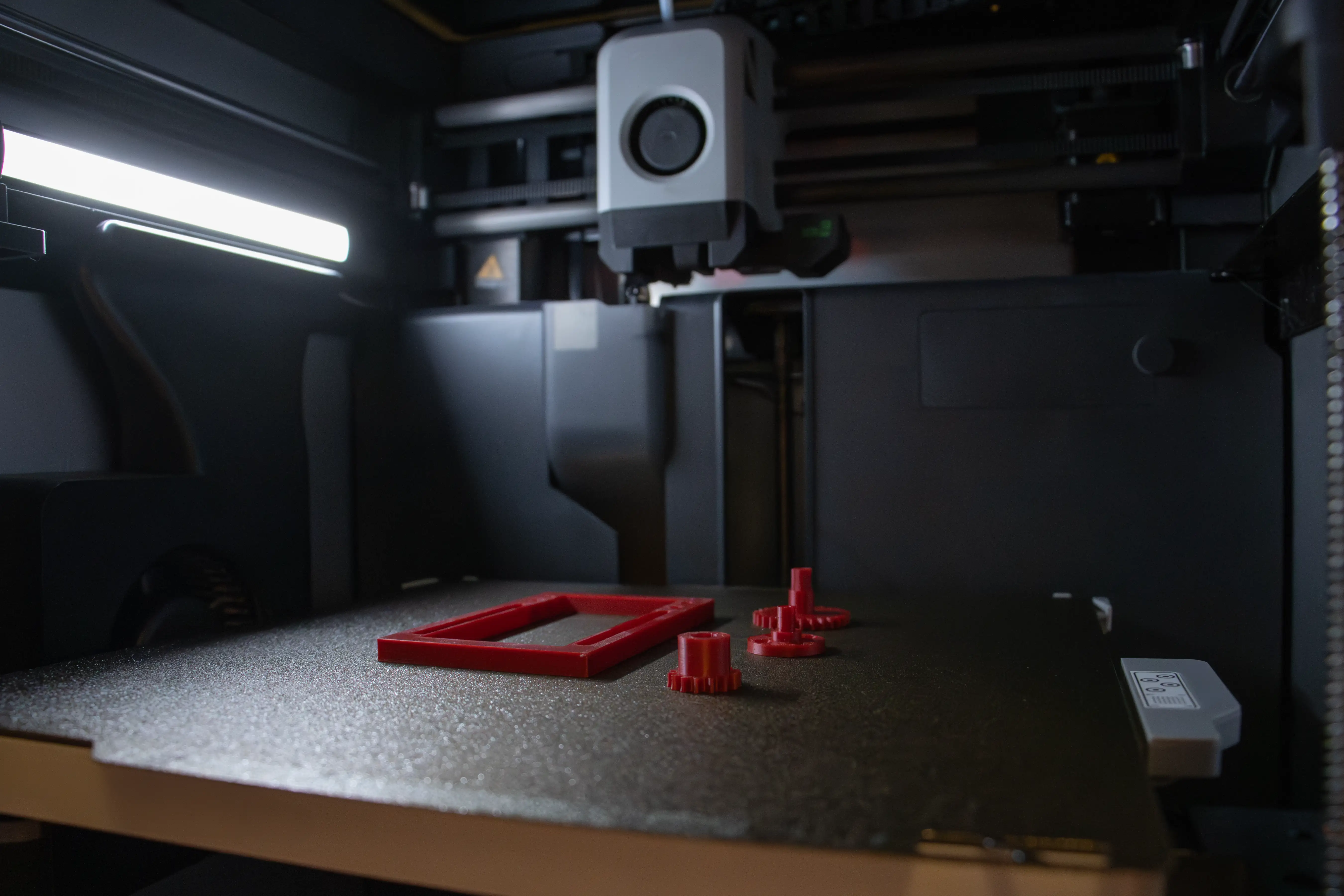
Close-up of an in-house 3D print being produced

Built around your part

Every part,
expertly checked.

Every file is checked by someone who understands how parts are used. We flag problems early, only make changes with your permission, and inspect the finished job before it leaves our Sheffield workshop.

  • Printability and orientation review
  • Support strategy and finish considered
  • Reprinted if a part is clearly defective
  • Confidential handling by default

Processes

Pick the right
way to make it.

Choose a process yourself or describe the job and let us recommend one.

01 · FDM · Filament

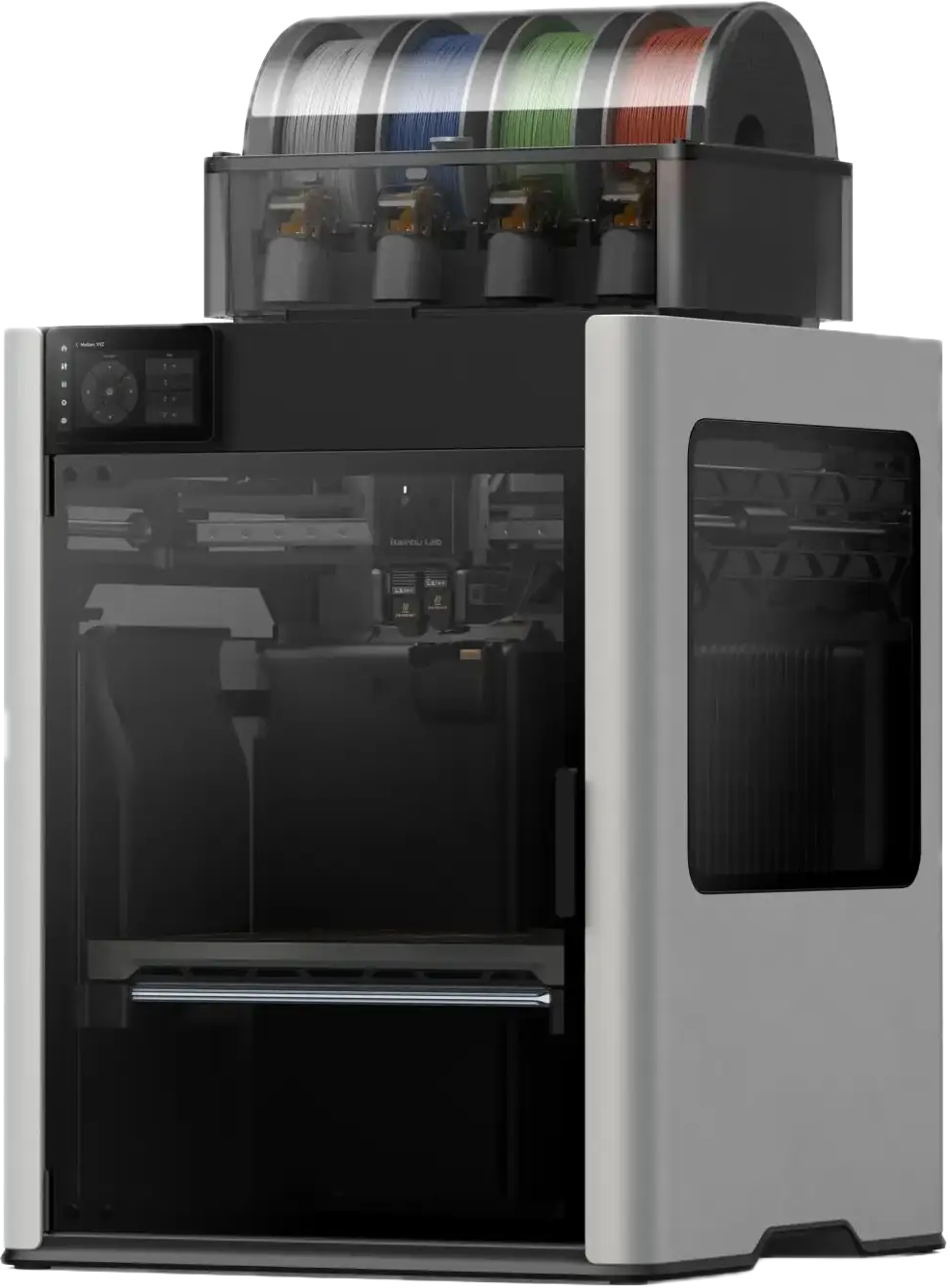
Bambu Lab dual-nozzle FDM printer used by ProtoGT

Strong, practical parts.

A versatile choice for functional prototypes, jigs, enclosures and low-volume production parts.

Best for
Brackets, housings, jigs, fixtures, mounts and larger prototypes.
Not ideal for
Tiny details or ultra-smooth cosmetic faces.
What to expect
Visible layer lines and directional strength. Holes may print slightly tight, and large flat ABS or ASA parts may warp without enough stiffness.
  • Build volume up to 350 × 320 × 325 mm
  • Typical accuracy of 0.1–0.2 mm
  • Support removal and edge clean-up included
  • Inserts, tapped threads and assembly available
02 · SLA · Resin

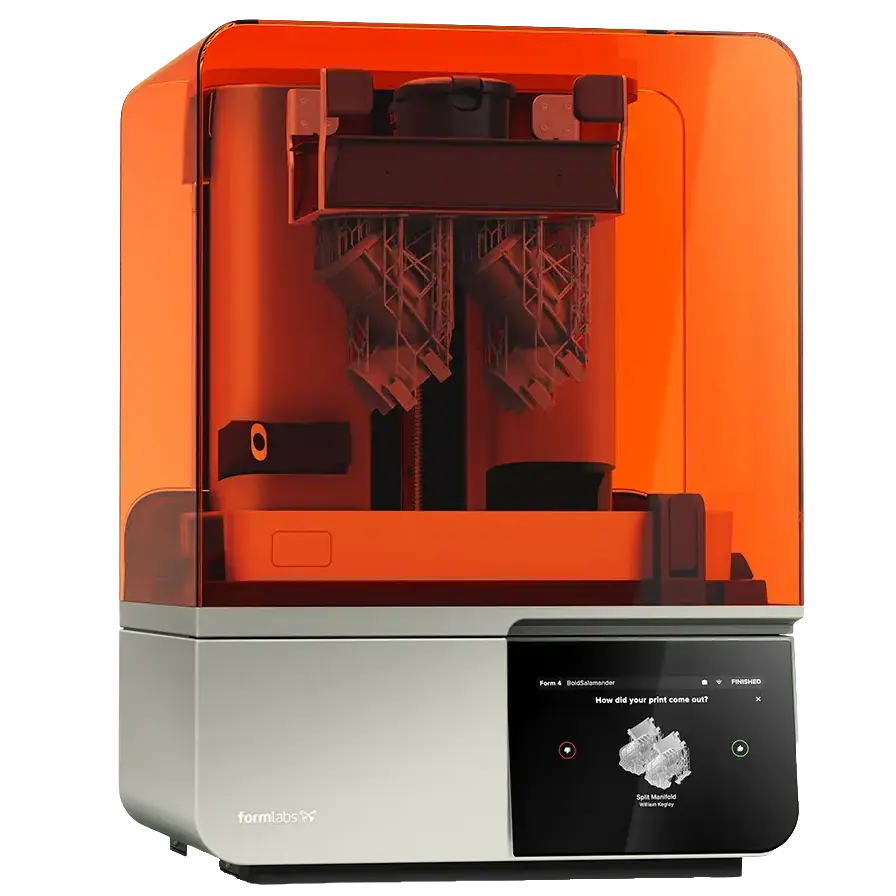
Formlabs SLA resin printer used by ProtoGT

Fine detail, smooth finish.

Ideal for detailed models, presentation parts and components where surface quality matters.

Best for
Presentation parts, small housings, tight features, mould masters and appearance-critical parts.
Not ideal for
Large parts, high-impact use or heavy loads unless the material and design are agreed.
What to expect
Smoother surfaces and sharper detail, but resin can be more brittle than FDM. Thin walls need particular care.
  • Build volume up to 200 × 125 × 210 mm
  • Typical accuracy of ±0.15%
  • Washed and cured as standard
  • Sanding, painting and suitable inserts available

Materials & finishing

Made for what
comes next.

From a quick fit-check to a durable end-use component, we’ll match material and finish to the job—not just the drawing.

PLAPETGABSASATPUPPS-CFCustom

PLA Quick fit checks and early prototypes.

PETG A tough, dependable all-rounder.

ABS & ASA Better temperature resistance and durability.

TPU Flexible parts that need to bend or absorb impact.

PPS-CF High strength and stiffness.

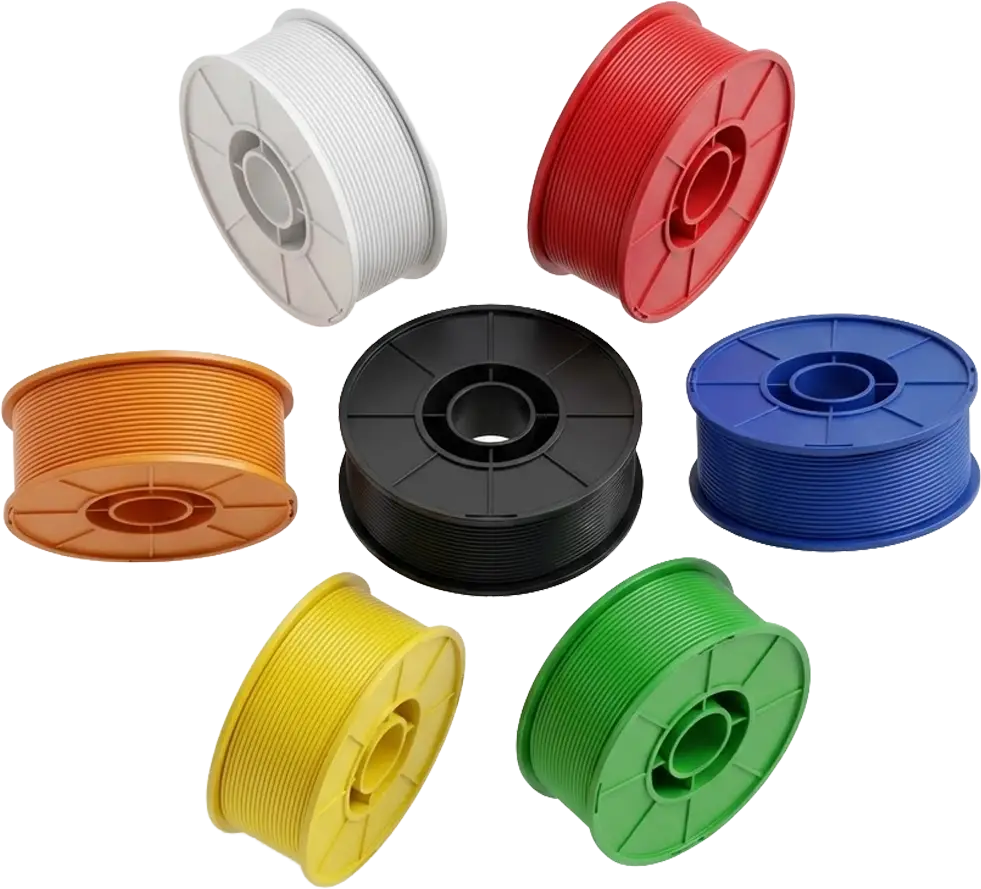
Need a particular colour or material? FDM colours depend on filament stock and specific colours and materials can be sourced and priced with your quote. SLA colours are more limited, so painting can be added when appearance matters. Please attach a reference image with your request.

A selection of coloured 3D-printing filament available from ProtoGT

Why 3D printing?

Move quickly.
Learn sooner.

Because parts are built layer by layer, there is no tooling to wait for and complex geometry is often practical to produce. For prototypes and small batches, that means getting a real part in your hands sooner—so you can test, learn and improve it before committing to a larger run.

  • No mould or dedicated tooling required
  • Complex and awkward geometry made practical
  • Fast design iterations from an updated file
  • Useful from one-off prototypes to small batches
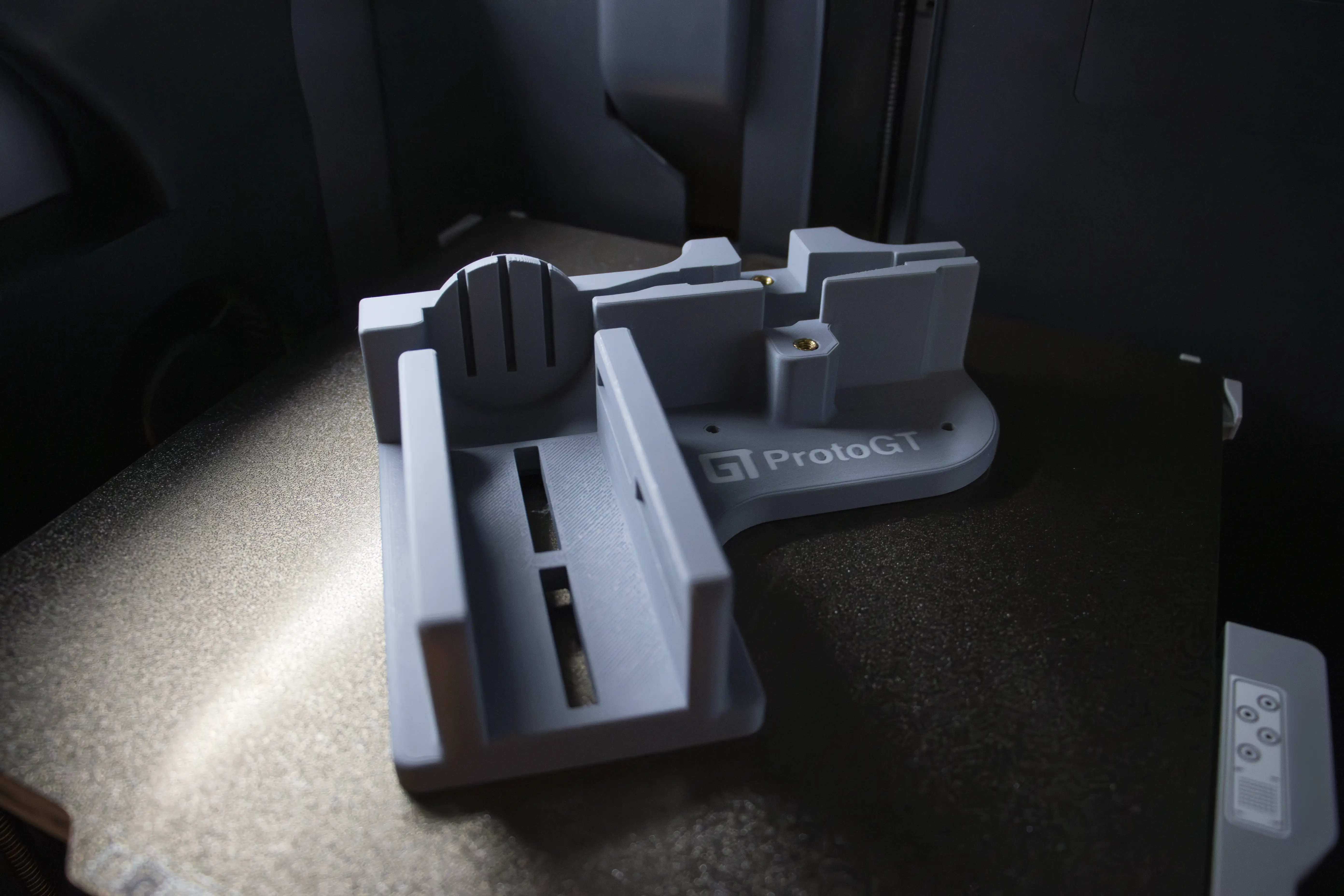
A finished ProtoGT 3D-printed engineering jig in the workshop

Printed parts in the real world

Engineering beyond the print bed.

For Eventum Orthopaedics, printed components formed part of a purpose-built knee-testing rig—supported by mechanical design, finishing and assembly under one roof.

See the Eventum project

Print guide

Design it for
the real world.

A few decisions made before upload can improve strength, finish, fit and cost. Use this as a starting point—we will still inspect your file.

01Choosing a file format

STEP is best when dimensional accuracy and editable geometry matter. STL and 3MF are mesh formats and work well for print-ready models; export them at a fine enough resolution that curved surfaces do not become visibly faceted.

02Materials and colour requests

Our launch FDM materials are PLA, PETG, ABS, ASA, TPU and PPS-CF, alongside SLA resin options. Colours depend on current stock, but you can request a specific colour and we will source and price it as part of your quote. Include the intended use and a reference image so we can recommend the closest suitable option.

03Allowing for fit and tolerance

Parts that slot, slide or fasten together need intentional clearance. Tell us which dimensions and fits matter, especially for bearings, shafts, inserts, threads and mating assemblies, so we can review them before printing.

04Walls, holes and fine features

Very thin walls, small holes and delicate text may not reproduce as drawn. Keep critical features clearly identified and we will check them against the selected process, material and build orientation.

05Strength and print direction

Layer direction affects how an FDM part carries load. Tell us how the part will be mounted and where forces act so we can orient it sensibly or suggest a more appropriate material.

06Surface finish and supports

Supported faces usually need more finishing than upward-facing surfaces. Mark cosmetic or sealing faces in your notes so support placement and post-processing can be planned around them.

07Quality checks and remakes

Every order receives a visual inspection and basic dimensional checks. Call out critical dimensions so we can check those too. Delamination, cracks, major warping, missing features and obvious failed-print discolouration count as defects; faulty or clearly defective parts are remade.

08Upload and file handling

Upload STEP, STL or 3MF files up to 10 MB through the quote form. ZIP files are accepted, but include each component as a separate file so it can be quoted correctly. Mark important fits, critical dimensions and cosmetic faces in your notes or a reference image. We do not print weapons.

What people ask us

Useful
answers.

If your question is not here, talk to an engineer before you submit your files.

Ask a question
01How much does 3D printing cost?

Every job is priced from the file and requirements because material, finish, quantity and lead time all affect the cost. The minimum order value is £25, with VAT shown separately.

02What happens after I request a quote?

We review your files and requirements, then send a clear quote and invoice. Printing begins once the job is approved and payment is received. B2B invoicing is available for business customers.

03What files can I upload?

We accept STEP, STL and 3MF files. You can upload several parts together as a ZIP and include a reference image where useful.

04Can I choose the material, colour and print settings?

Yes. You can specify material, colour, layer height, walls, infill and preferred orientation. If you are unsure, tell us what the part needs to do and we will recommend an approach.

05What finishing is included?

Standard post-processing is included. FDM supports are removed and edges cleaned; SLA parts are washed and cured. Sanding, painting, suitable vapour smoothing, inserts and tapped threads can be added.

06How long will my order take?

Standard lead time is 10 working days. Priority service is 7 working days with a 30% uplift. We deliver within the UK only and every shipment is tracked. If you have a hard deadline, tell us up front and we will be clear about what is realistic.

07Are my files confidential?

Yes. Access is limited to ProtoGT staff. Files are retained for 30 days to support reorders and then deleted. If a delivered part is faulty or clearly defective, we will remake it.

Ready when you are

Send the file.
We’ll take it from here.

STEP, STL and 3MF accepted up to 10 MB. ZIP files are fine; include each component as a separate file.

Get a 3D printing quote